
How to Choose the Perfect Artwork for Your Home
Choosing artwork for your home changes the way a room feels. The right painting or print adds color, balance and a personal touch. This guide helps you pick the right size, style, color and placement for any room in an Indian home.
Understand the mood and purpose of each room
Every room has a function and an atmosphere. Match the art to that purpose. For a living room choose welcoming, conversation friendly pieces. For a bedroom pick calm, restful art. For dining areas you can pick bolder pieces that spark discussion.
Choose artwork by size
Size is one of the most important factors. A painting that is too small looks lost. One that is too large can overwhelm the space.
Simple size guide
- Mini: up to 30 x 30 cm. Good for shelves or small nooks.
- Medium: roughly 40 x 60 cm. Works well above side tables or mantels.
- Large: 80 x 120 cm. Ideal above sofas and major focal walls.
- Oversized: 120 cm and above. Use with caution; best for open plans or high ceilings.
For a sofa pick a painting about two thirds to three quarters of the sofa width. Hang at eye level so the center sits roughly 150 cm from the floor, adjusted for ceiling height.
Match artwork colors with your interior
Decide if you want the art to blend in or stand out. For neutral walls a colorful painting becomes the main feature. For bold walls choose artwork with neutral tones or a strong contrasting accent.
Use one accent color from the painting in cushions or throws. That small echo ties the room together and looks intentional.
Pick the right style for the room
Different styles suit different interiors. Here are quick notes on common styles and where they fit.
- Abstract
Abstract pieces are flexible and work in modern living rooms and offices. They let the viewer add meaning and do well at larger sizes.
- Nature and landscape
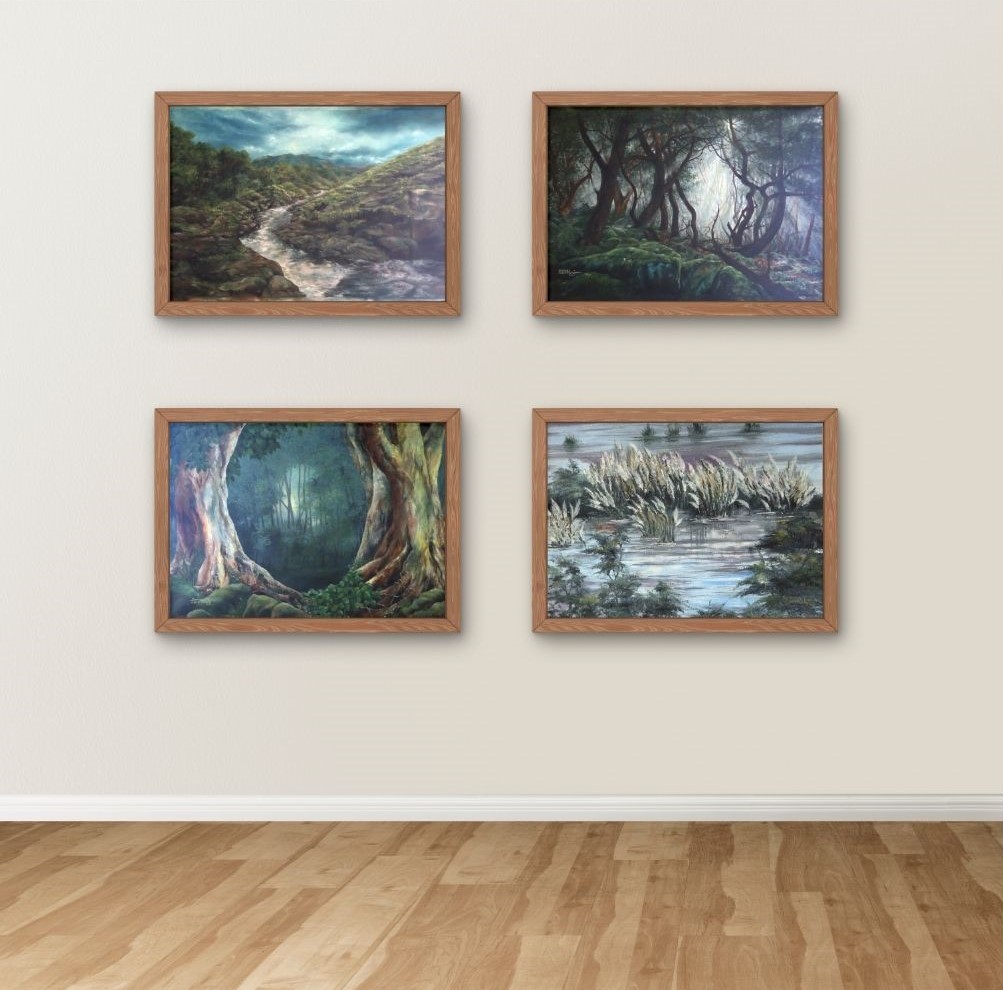
Landscapes and nature scenes bring calm and are great for family rooms and bedrooms. They sit comfortably in traditional and eclectic homes.
- Figurative and portraits
Figurative art makes a bold statement. Use it when you want a strong focal point or a storytelling piece.
- Contemporary minimal
Minimal art fits modern, clutter free interiors. It works particularly well in compact urban apartments where every element should breathe.
- Frame or no frame
Frames add formality. Float or minimal frames suit modern interiors. Ornate frames suit classic interiors. For canvases a simple edge or no frame often looks clean and gallery like.
Placement guide
Placement matters as much as the art itself. Here are common situations and suggestions.
- Above the sofa
Pick a painting two thirds to three quarters the sofa width. Leave a 15 to 25 cm gap between the top of the sofa and the bottom of the frame.
- Above the bed
Choose a wide horizontal piece that matches the bed width. Keep it centered and leave breathing space on either side.
- Dining area
Select art that complements the dining table. If hung above a sideboard pick a medium to large piece and keep the bottom edge about 20 cm above the furniture.
- Hallways and stairs
Use a series or gallery wall. Keep pieces at similar heights for cohesion. A linear sequence of small to medium works well along a staircase.
Themes that work well in Indian homes
Popular themes include nature, floral, abstract and modern figurative work. Spiritual or traditional motifs can work in heritage style homes, while modern minimal art suits contemporary flats. Choose a theme that reflects your personality and complements existing furniture.
When to commission custom artwork
Commissions are the best option when you need a precise size, color palette or a personal subject. Commissioning allows you to brief the artist on scale, mood and the story behind the piece.
To commission successfully follow these steps
- Measure your wall and decide on the final size and orientation.
- Collect reference images and color swatches that show what you like.
- Set a clear budget and timeline with the artist.
- Ask for progress photos and agree on minor revisions mid process.
If you want a bespoke piece commission a painting with Sejain Art Studio or get in touch for a quote.
Buying tips and common mistakes to avoid
Budget and authenticity are important. Originals are one of a kind and often increase in value. Prints are budget friendly and versatile, but check printing quality and paper type.
- Ask for provenance or artist information for higher value pieces.
- Check the materials used and care instructions.
- Avoid buying art that only matches a trend unless you plan to replace it later.
How to create a gallery wall
Start by selecting a dominant piece, then add smaller works around it. Lay the frames on the floor first to experiment with the arrangement. Keep spacing consistent, typically 5 to 10 cm between frames.
Care and maintenance
Keep artworks out of direct sunlight to prevent fading. Dust gently with a soft cloth. For oil and textured works ask the gallery or artist for specific care tips.
Quick checklist before you buy
- Have you measured the wall and visualized the size?
- Does the color palette complement your interior?
- Is the style right for the room and your taste?
- Do you know the price, delivery and return policy?
Related reads
For more ideas check these pages: Wall painting ideas for living room, Oil vs Acrylic for home décor, and Browse original paintings.
Ready for a custom piece?Sejain Art Studio creates made to order paintings to fit your space, palette and budget. Get a custom quote or Contact the studio.
FAQs
- What size painting should I place above my sofa?
Choose one that is two thirds to three quarters of the sofa width. This gives a balanced, anchored look.
- Should art be at eye level?
Yes. Aim for the center of the artwork to sit around 150 cm from the floor. Adjust if you have high ceilings or specific sightlines.
- Is original art worth the price?
Original art is unique and often holds higher emotional and resale value. If budget is a concern, consider limited edition prints or commission a smaller original.
- Can I mix frames and unframed canvases?
Yes. Mixing can look intentional. Keep a common visual thread like color or mat style to maintain cohesion.
Final thoughts
Choosing artwork is as much about how it makes you feel as about rules and measurements. Use this guide as a starting point, trust your taste and consider a custom piece when you need the perfect fit. For help with selection or commissioning visit our gallery or contact the studio.